
How to Buy Property in Israel From USA


If you have looked at apartment prices in Jerusalem, Tel Aviv, Netanya, or Herzliya from your home in the US, you already know the problem. For many American buyers, the dream is real, but so is the sticker shock. That is why understanding how to buy property in Israel from USA starts with one basic shift in thinking: you do not have to enter the market the same way local end-users do.
For some buyers, a turnkey apartment is the right move. For many others, especially families thinking about retirement, Aliyah, children’s futures, or long-term wealth preservation, buying development-stage land can be a more strategic path. It lowers the entry point, reduces the upfront burden, and creates a realistic way to build an Israeli asset over time rather than paying top market value on day one.
How to buy property in Israel from USA without costly mistakes
The biggest mistake American buyers make is assuming that Israeli real estate works just like US real estate. It does not. The legal structure, planning process, tax treatment, and transaction culture are different enough that trying to manage everything remotely without trusted guidance can get expensive very quickly.
The first step is getting clear on your goal. Are you buying for eventual personal use, as a retirement landing pad, as a future apartment for a child, or primarily as an investment? That answer shapes everything else, from location to budget to timeline. A buyer who wants keys in six months should not shop the same opportunities as a buyer who is comfortable with a five-to-ten-year realization process.
Once your objective is defined, the next step is choosing the right asset type. In Israel, the most obvious option is buying a completed apartment. It is simple to understand, but in many high-demand areas the price can easily run from $1 million to $3 million or more. That works for some families, but it places ownership out of reach for many US buyers who still want a meaningful foothold in Israel.
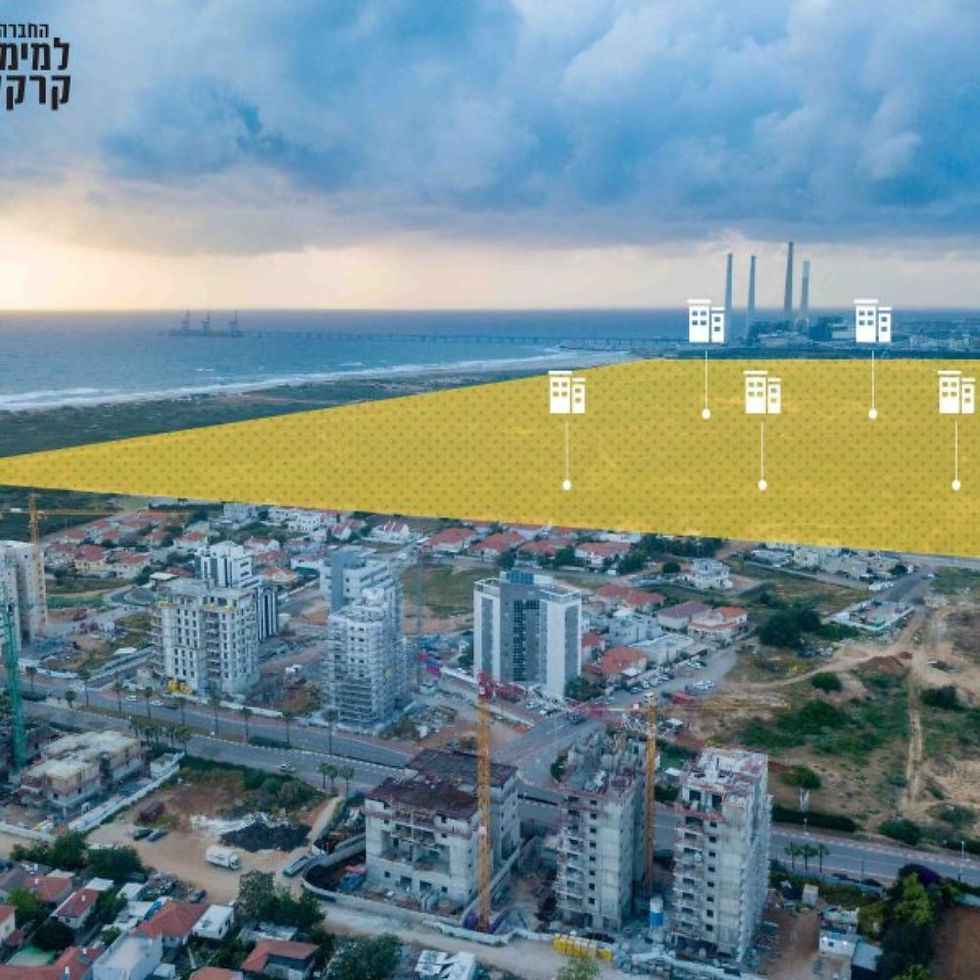
That is where development-stage land becomes worth serious consideration. In the right project, a buyer can enter at a much lower level, often starting around $175,000, while participating in the long-term path toward a future residential apartment. This approach is not for someone who wants immediate occupancy. It is for someone who values patience, structure, and upside.
Understand the Israeli buying process before you wire funds
When Americans ask how to buy property in Israel from USA, they often focus on logistics first. Can documents be signed remotely? How do you transfer money? Do you need to be physically present? Those are important questions, but they come after due diligence.
In Israel, the legal status of the property matters enormously. You want to know whether the land or property is registered in the Tabu, Israel’s land registry, and what exactly is being sold. If the opportunity involves land in an advanced rezoning phase, you need clarity on the planning status, the rights attached to the parcel, the projected residential outcome, and the timeline assumptions. Not all land is equal. Some parcels may be cheap for a reason.
That is why serious buyers work with an Israeli real estate attorney who represents only their interests, not the seller’s. Your attorney should review ownership records, encumbrances, planning documents, tax exposure, and the contract itself. An appraiser and planning professionals may also need to weigh in, especially if the transaction is tied to future rezoning and construction rights.
From the US side, you also need a practical framework for moving funds legally and efficiently. Currency exchange can affect your real purchase price more than many buyers expect. A deal that looks clear on paper can shift meaningfully if exchange rates move against you during the process. Planning ahead on transfer timing is not a technical detail. It is part of the investment decision.
Completed apartment or land realization?
This is the real strategic fork in the road.
A completed apartment gives immediate clarity. You know what exists, what it costs, and in many cases what it can rent for. The trade-off is that you are usually paying full market price in one of the world’s more expensive housing markets. Purchase tax can also be substantial, depending on your status and the asset.
A land-realization model is different. You are buying into a process rather than a finished product. The right project can offer lower entry cost, lower tax exposure in many cases, and stronger long-term upside if the land is privately owned, properly registered, and already in advanced planning stages. The trade-off is patience. This is not instant gratification real estate.
For many American families, that trade-off makes sense. If your goal is to create a future home in Israel without tying up $1 million to $3 million today, development-stage land can act as a disciplined entry strategy. It allows you to plant a stake now and let the asset mature over time.
The due diligence questions that matter most
When buying from abroad, confidence comes from documentation, not marketing language. You want to know who owns the land, whether it is Tabu-registered, what stage the rezoning has reached, what residential rights are expected, what professional team is involved, and what realistic timeline applies.
You should also ask what happens between purchase and realization. Who is overseeing legal work, planning coordination, engineering, appraisals, and communication with authorities? Who updates you while you are sitting in New York, Miami, Los Angeles, or Chicago? Buying property remotely is manageable when there is a real local operating structure behind the transaction. It is stressful when there is not.
This is one reason advisory-led firms have become important in this space. A company like HLK is not simply showing listings. It is helping buyers match the right project to the right objective, then staying involved throughout the long arc of the asset. That matters because cross-border real estate is rarely just about the day you sign. It is about the years that follow.
Taxes, timelines, and expectations
Many US buyers underestimate the emotional side of timelines. If you buy a completed apartment, the timeline is short but the cost is high. If you buy into a land-realization process, the upfront burden may be much lower, but your return and use case take time to materialize.
Neither path is automatically better. It depends on what problem you are trying to solve.
If you want a place for next Passover, buy something built. If you want to create a future apartment for retirement, Aliyah, or your children while keeping your initial capital outlay more manageable, land may be the smarter choice. Strategic buyers are often less interested in speed than in positioning.
On taxes, it is essential to get transaction-specific advice. Israeli purchase taxes vary based on the nature of the asset and buyer profile. The US side may also involve reporting considerations. This is not the place for assumptions or forum advice. Cross-border tax planning should be handled early, not after contracts are signed.
Build your team before you buy
The safest way to buy property in Israel from the USA is to build a team before emotion takes over. That team usually includes an Israeli attorney, a trusted advisory group with on-the-ground visibility, and where needed, appraisal and planning professionals.
What you are really buying is not just land or an apartment. You are buying certainty, process, and informed expectations. The right team helps you separate true opportunity from vague promise. They also help you avoid the common trap of buying something that sounds meaningful to your identity but does not stand up as a real asset.
For many diaspora families, property in Israel is more than an investment. It is a future option, a family anchor, and a statement that Israel is part of their life plan. That emotional significance is real, but it should be supported by disciplined underwriting, clean legal structure, and a strategy that fits your timeline.
The strongest buyers are not the ones who move fastest. They are the ones who move with clarity, knowing exactly whether they are buying immediate use, long-term realization, or a legacy asset that will make more sense five years from now than it does today.
A good purchase in Israel should do more than feel meaningful. It should be structured well enough that you can still feel confident about it from 6,000 miles away.


Comments